Return to your essence through sacred medicine.

Your healing path

Traditional healing ceremonies in a safe and beautiful natural setting

1. Preparation

1.1 Pre-Retreat Dietary / Physical Preparation

  • Begin a clean, simple diet at least 1–2 weeks ahead of arrival; ideally 2 weeks but at minimum 4–7 days in advance.
  • Avoid processed foods, refined sugar, artificial colorants/preservatives.
  • Minimize saturated fats; limit or avoid red meat (if non-vegetarian). Fish/poultry okay in small amounts (if aligned with your ethics).
  • Avoid alcohol and recreational drugs (including marijuana) for at least two weeks (or per medical guidance).
  • Review with retreat staff any medications you’re on — especially psychiatric or antidepressant meds; some medications may interact.
  • Limit or avoid stimulants (caffeine, nicotine, etc.).

1.2. Mental & Emotional Preparation

  • Set clear intentions: what are you hoping to heal, explore, release, or understand?
  • Begin journaling: explore fears, memories, recurring emotional patterns you wish to address.
  • Engage in mindfulness practices: meditation, breath-work, yoga, gentle movement, relaxation.
  • Possibly do small “shadow work” exercises: acknowledging what parts of self or past need healing.
  • Reduce exposure to overstimulation (heavy television, social media, heavy news, busy schedule) to calm the nervous system.

1.3 Spiritual / Energetic Preparation

  • Spend time in nature, grounding practices.
  • Engage in creative expression: art, music, dance, etc.
  • Clear energetic/emotional clutter: forgiveness, releasing resentments, etc.
  • Cultivate gratitude, trust, surrender.

1.4 Logistics & Practicalities

  • Confirm travel plans: arrival time, transport to site, any required documentation (passport, visa if necessary).
  • Health screening: ensure physical health is sufficient; disclose medical conditions/medications.
  • Ensure you have time to rest and integrate after the retreat. Do not schedule high-stress commitments immediately upon returning.
  • Pack appropriate items (see “What to bring” below).

1.5 What to Bring

  • Comfortable, layered clothing (day and night temperatures may vary).
  • Loose clothing for meditative / ceremony sessions. Possibly clothes that can get messy (if there is water, mud, etc.).
  • Swimsuit (if there is water / bathing / cold plunge).
  • Rain protection (light raincoat) if applicable, insect / bug repellent.
  • Sun protection (hat, sunscreen).
  • Journals / pens / art supplies.
  • Eye mask, earplugs (for rest / sleep).
  • Blanket / shawl for warmth during ceremony.
  • Comfortable footwear (hiking shoes / slip-ons / sandals).
  • Personal toiletries.
  • Any personal medications or supplements (but check with staff first).
  • Optional (but meaningful): items for ceremonial/offering use, if the retreat has that tradition (stones, flowers, small gifts, etc.).
  • Water bottle, refillable (if the location supports).

2. The Treatment

2.1. Intake & Screening

Before any psilocybin session, we conduct a careful screening and intake process to ensure your safety and appropriateness for this type of work.

  • Medical & psychological evaluation — We review your medical history, medications, psychiatric background, and contraindications.
  • Motivational and expectation assessment — What are your intentions, hopes, and fears around this process? We want to align expectations realistically.
  • Orientation & informed consent — You’ll receive education about what psilocybin does, possible sensations, risks (e.g. transient anxiety, nausea, altered perceptions) and safety measures.

2.2 Dosing / Ceremony

In a retreat context, your psilocybin session is a central anchoring experience. We design an environment and support structure to maximize safety, inward focus, and therapeutic benefit.

  • Dosage
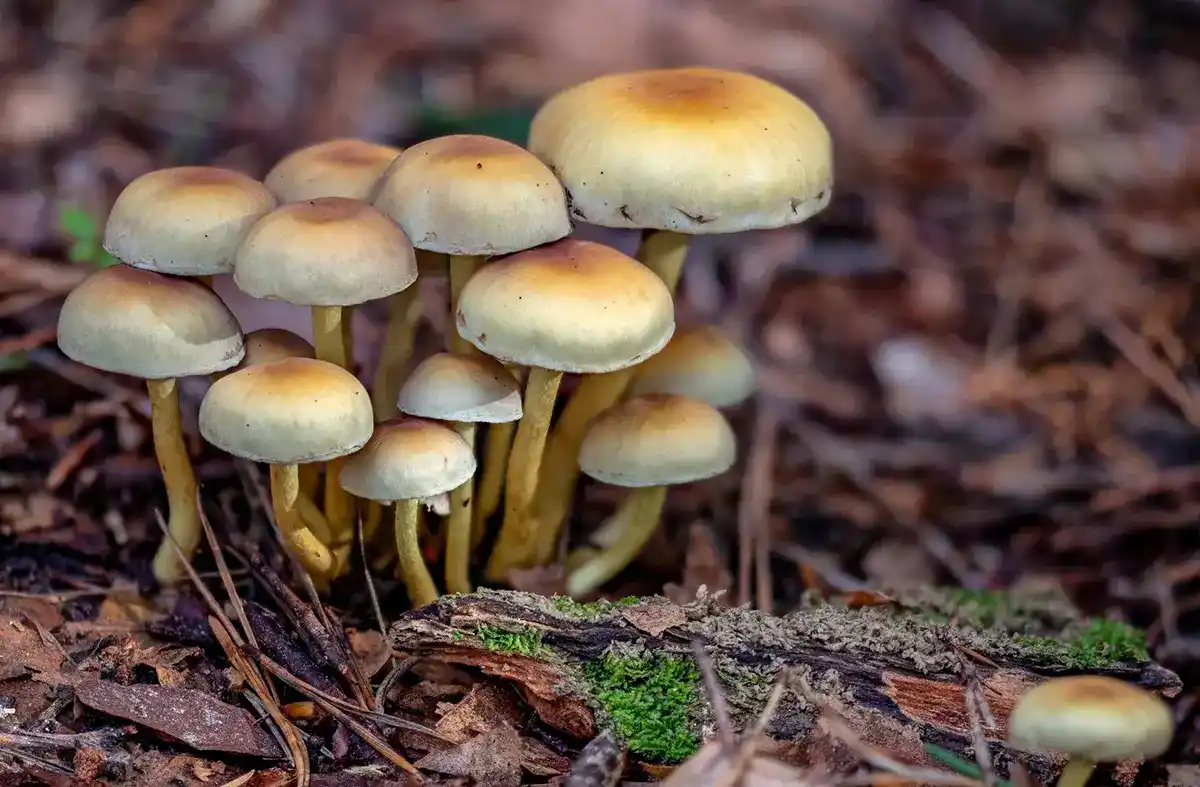
    Our retreat follows a carefully titrated, evidence-informed dosing protocol based on peer-reviewed clinical studies of psilocybin-assisted therapy. We recognize that psilocybin affects individuals differently depending on body weight, metabolism, prior experience, psychological history, and intention. For safety and efficacy, initial ceremonial doses are set in the moderate therapeutic range of 20–30 mg of pure psilocybin (equivalent to approximately 2.5–3.5 grams of dried Psilocybe cubensis) mushrooms, adjusted for body weight (~0.3–0.45 mg/kg psilocybin). First-time participants or those with heightened sensitivity begin at the lower end of this range, while more experienced or clinically screened participants may be invited to explore higher doses (up to ~0.6 mg/kg, or ~5 grams dried mushroom equivalent) in a second session if appropriate. All doses are prepared from the same batch, lab-tested for potency and purity, ensuring consistency. Dosage is determined collaboratively between the participant, facilitator, and clinical lead, with the guiding principle of “the minimum effective dose for therapeutic benefit,” prioritizing safety, psychological readiness, and the participant’s intention.
  • Ceremonial approach
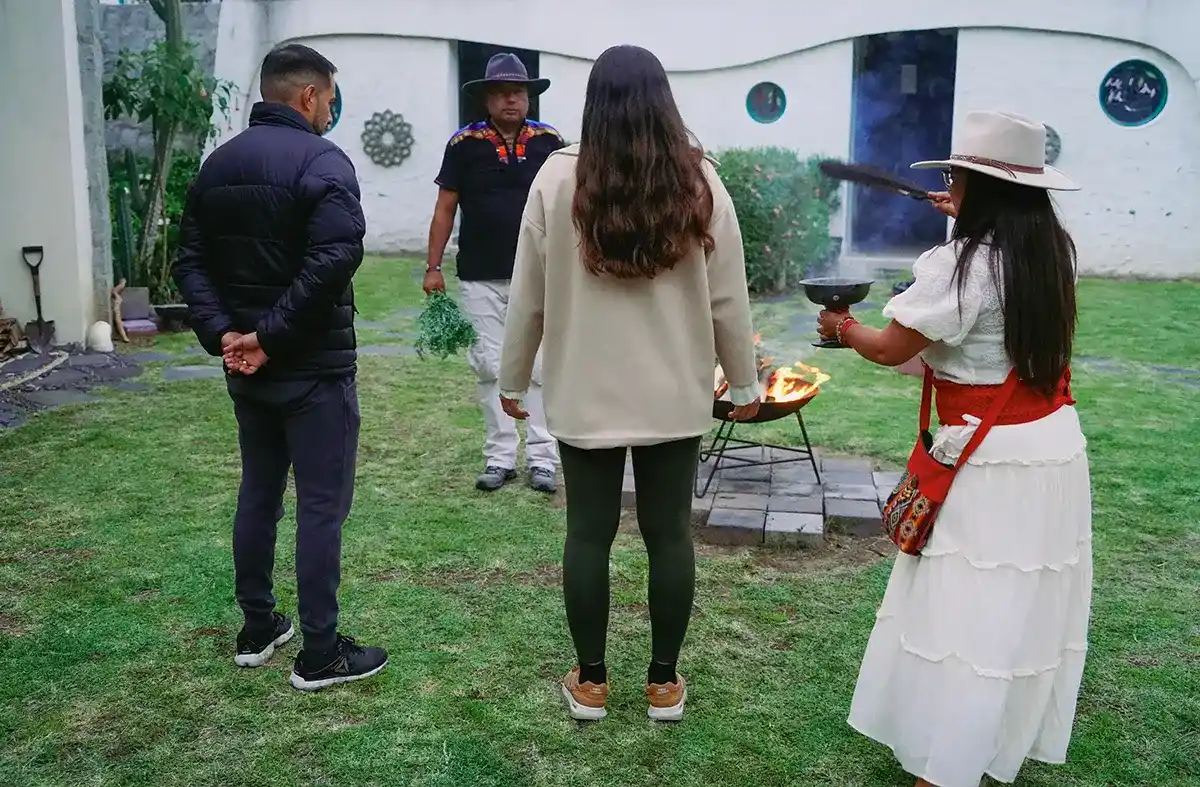
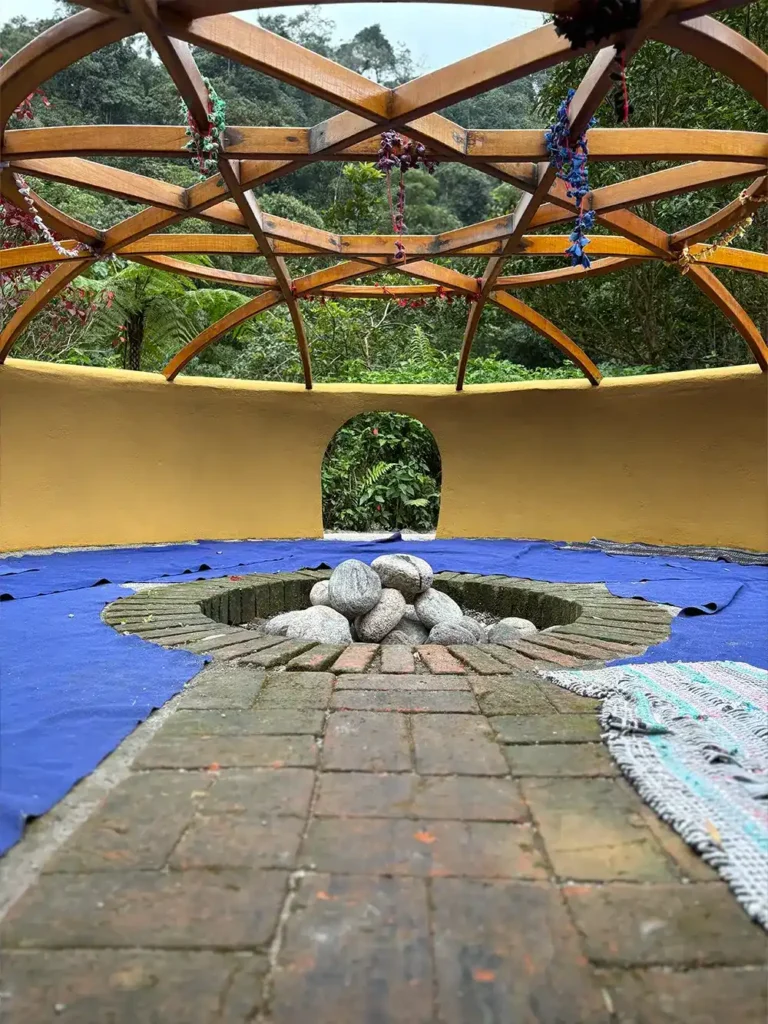
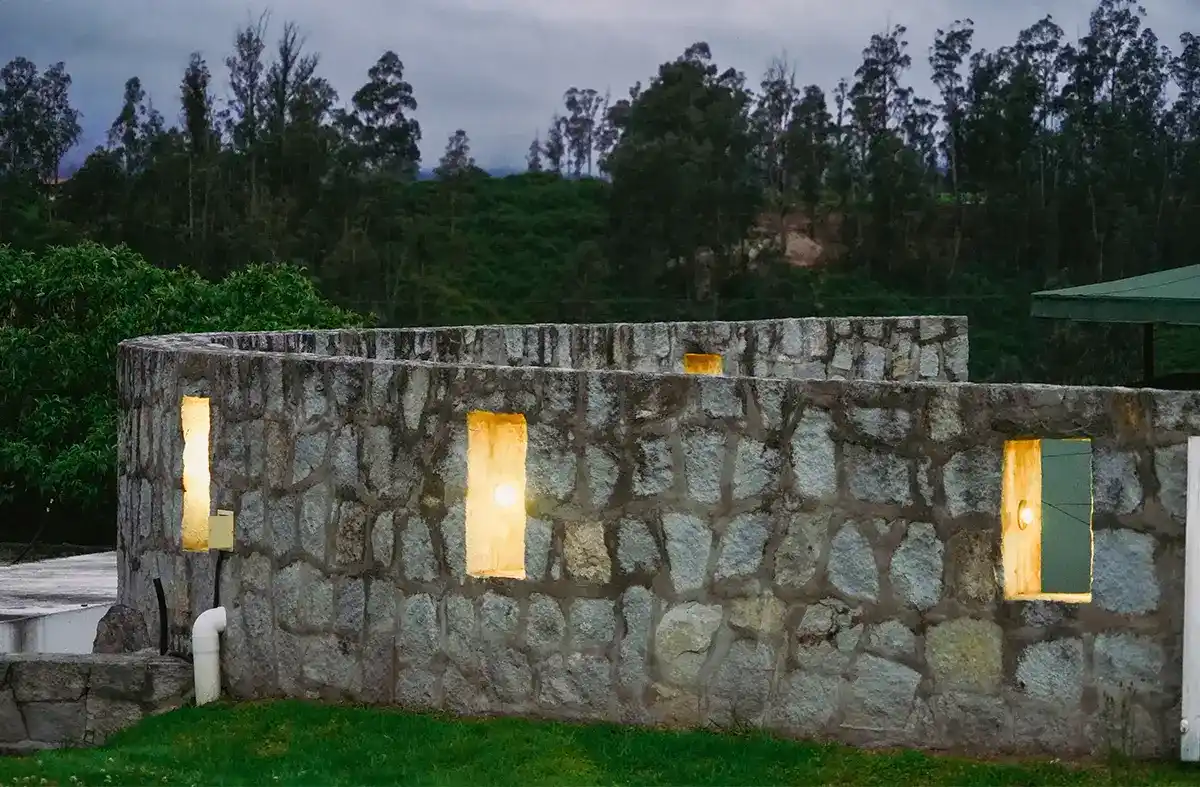
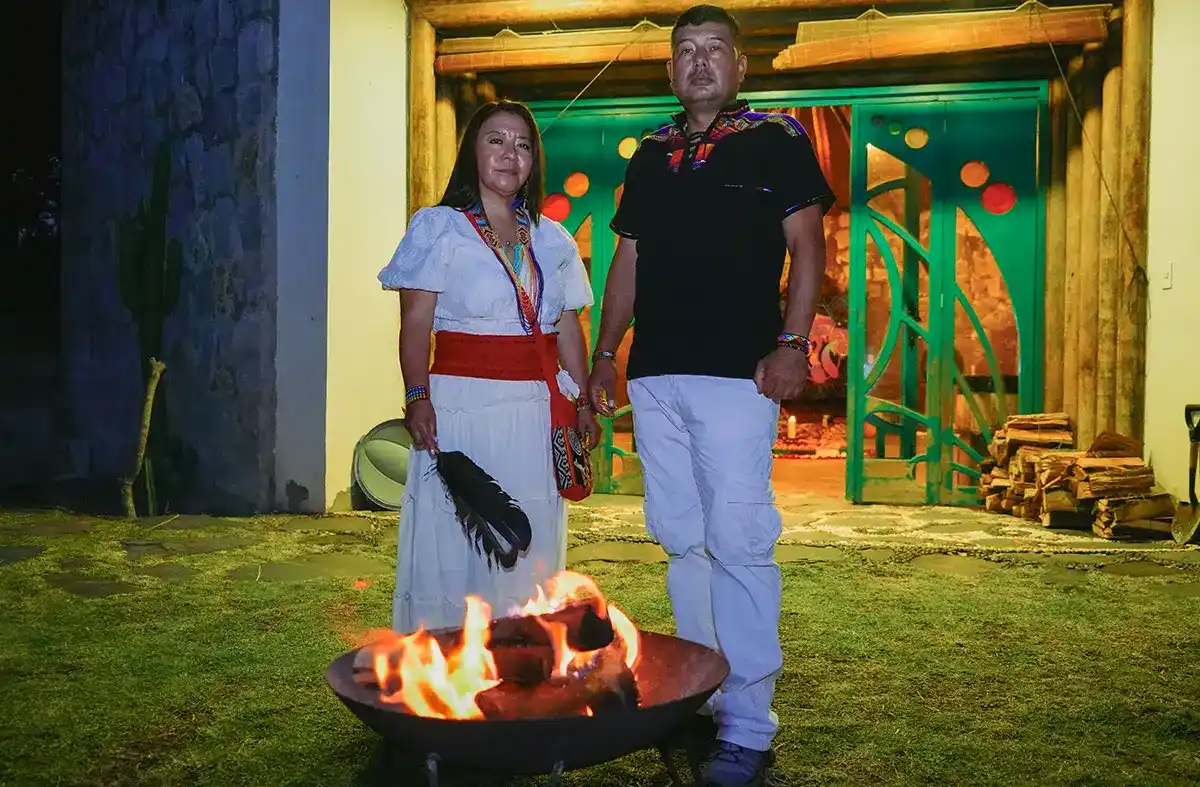
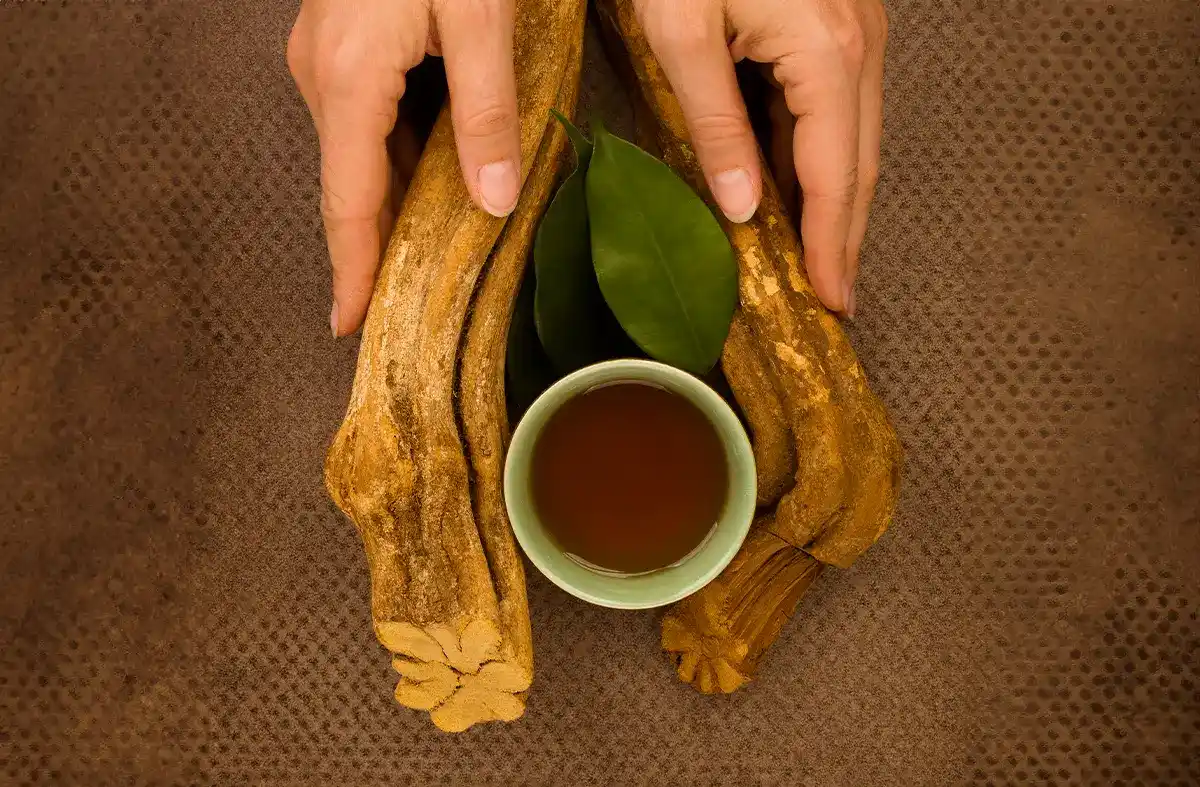
    At Ayni, we honor the ceremonial path of sacred plant medicine, rooted in the ancestral traditions of Central and South America. We recognize that the right set and setting is essential, creating the conditions for mind, body, and spirit to reconnect with their sacred inner space. Through this legacy of wisdom, we hold a safe and intentional environment where deep healing and transformation can unfold.
    Ambiance
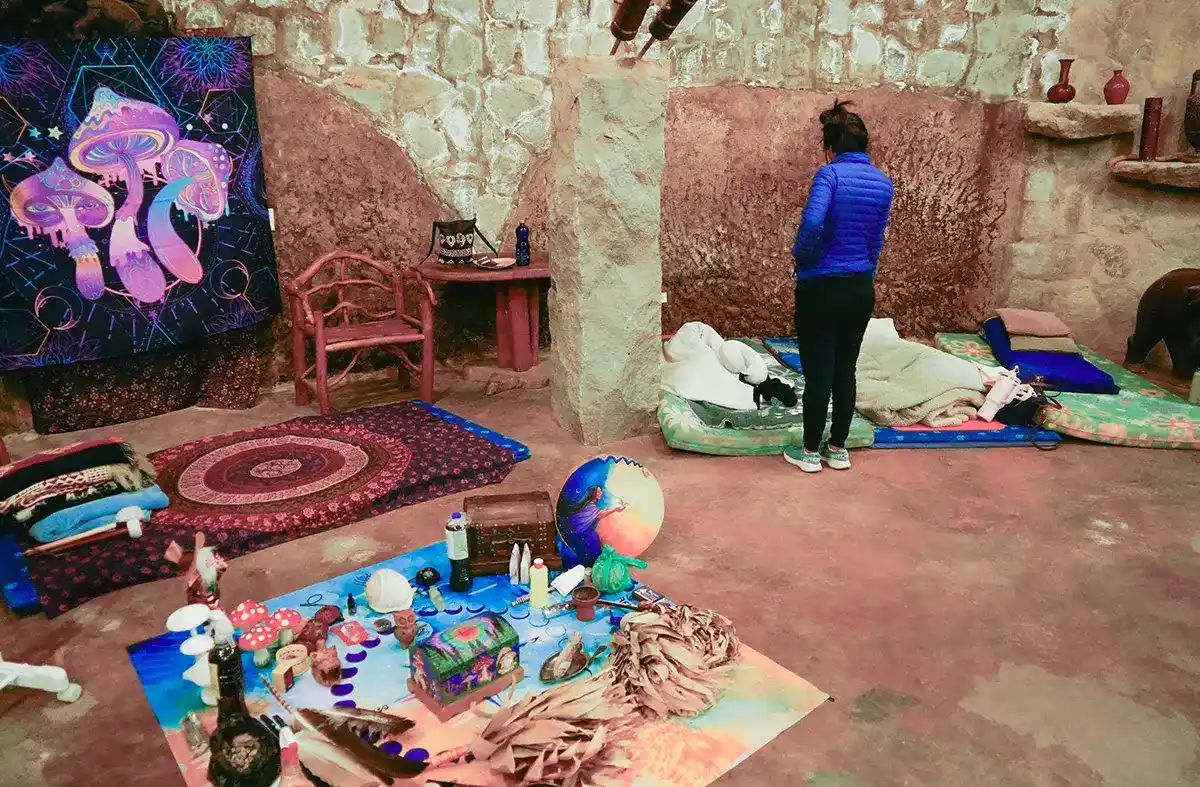
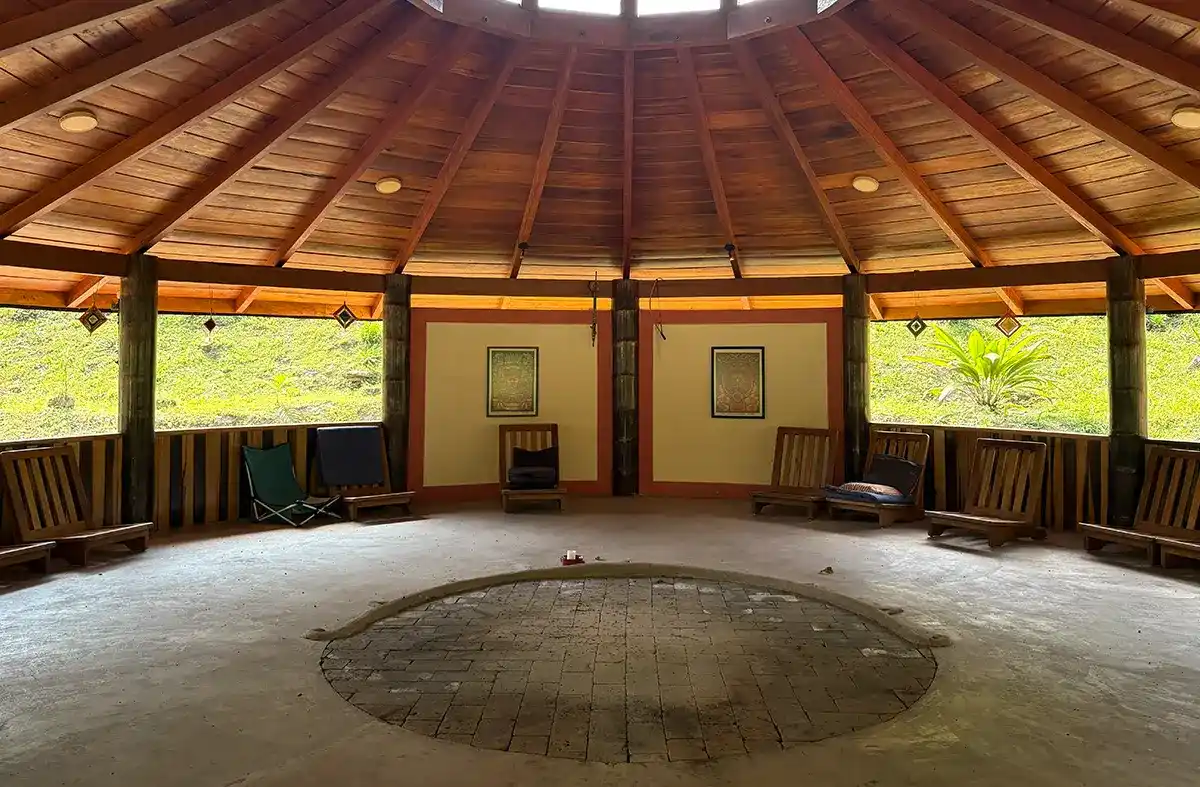
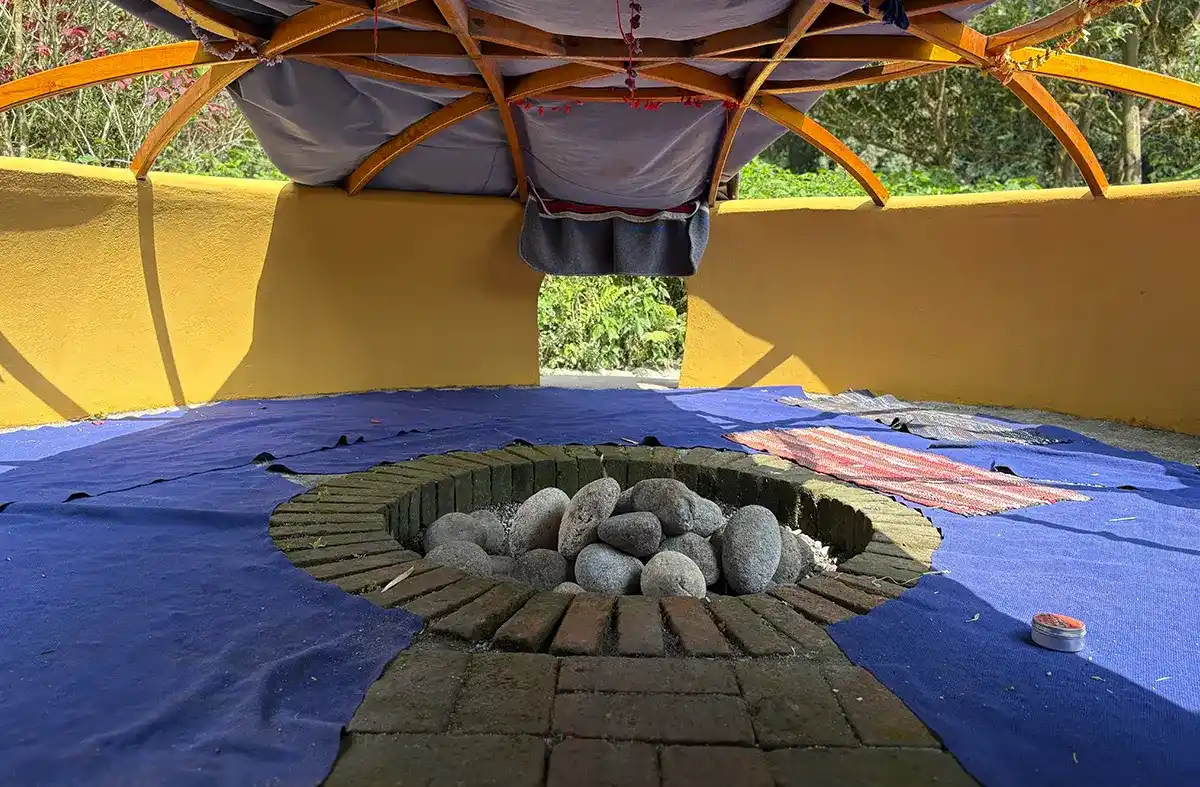
    You’ll lie comfortably (on a mat, couch, or bed) in a softly lit, serene room. The environment is curated (e.g. natural textures, soothing decor) to promote calm and containment.
  • Sensory modulation
    You might listen to structured, therapeutic sounds and music to help direct attention inward. These external stimuli aim to support non-verbal exploration and introspection.
  • Therapist presence
    A trained guide or therapist remains close by throughout (often two facilitators). Their role is non-directive — offering reassurance, grounding, navigation help when difficult emotional terrain arises, and safety oversight.
  • Time frame
    Typical psilocybin experiences last about 6 to 8 hours (from onset through descent) depending on dose, metabolism, and individual sensitivity.
  • Experience variability
    The session might be gentle, mystical, emotionally deep, or—at times—challenging. Fear, confusion, or resistance may arise, and these can become gateways to healing when held safely.
  • Monitoring & safety
    Vital signs (blood pressure, pulse) are monitored if needed. Therapists are trained to intervene in distress, help with grounding, or provide comfort anchors if anxiety or discomfort arise.

2.3. Post Ceremony - Integration & Reflection

The journey doesn’t end when the effects wear off. Integration is where meaning is made, insights are anchored, and transformation is guided into everyday life.

  • Post-session integration debriefing
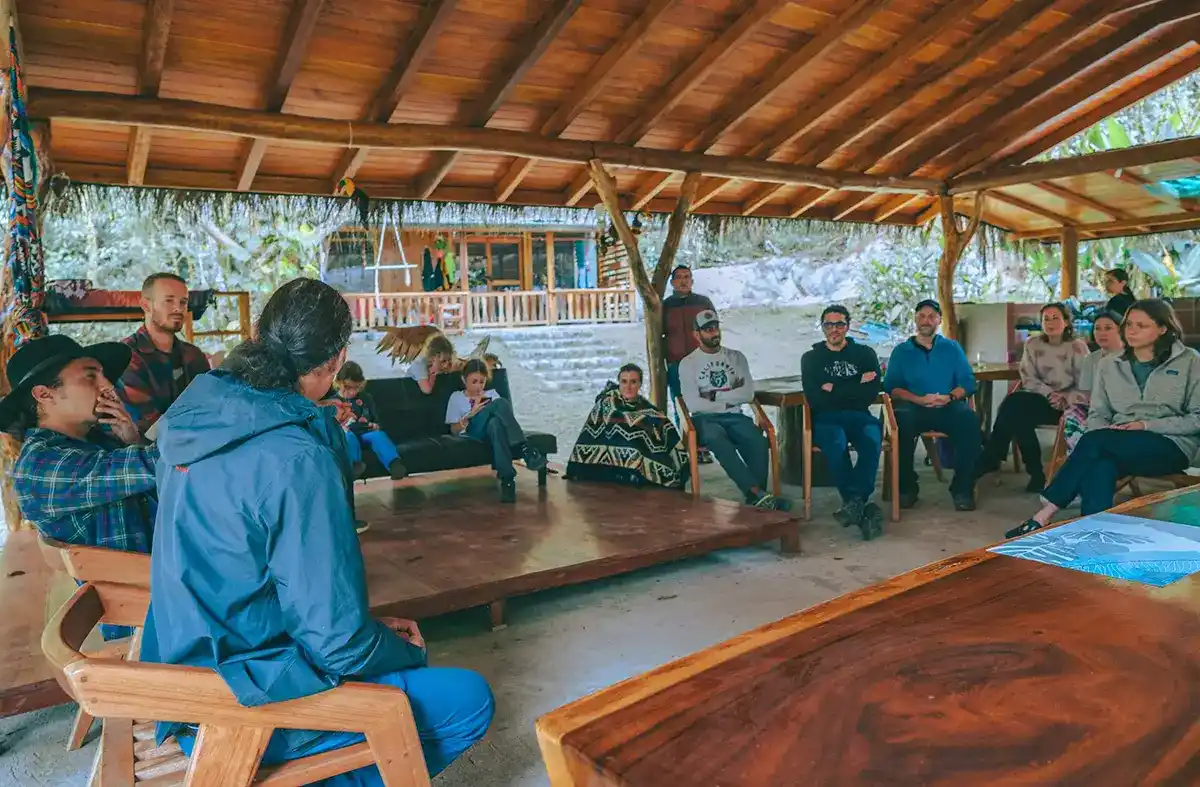
    You might be invited to share your experience verbally or nonverbally (art, journaling). Therapists help you draw meaning, notice patterns, and point to psychological or emotional themes.
  • Ongoing support & practices
    We offer tools and practices — e.g. breathwork, meditation, journaling, embodied exercises — to help ground the experience and sustain the benefits.
  • Longitudinal check-in
    We follow up (often at 1, 3, 6 months or more) to assess how you feel, if there are unresolved threads, or if booster work is needed.

Ayniheal Retreats Programs

Psilocybin Mushrooms

Lumbisí, Ecuador, South America

ayahuasca

Mindo, Ecuador, South America